Recognizing the Variety Of Services Offered in Flooring: Highlighting Stained Concrete Techniques
Stained concrete has actually emerged as an engaging flooring choice for numerous spaces. Its adaptability lies in the selection in between acid and water-based spots, each providing distinct aesthetic appeals. Correct prep work and recurring upkeep are vital to guarantee its durability and appearance. As the need for cutting-edge floor covering solutions expands, recognizing the nuances of stained concrete strategies can open up new possibilities for both residential and commercial environments. What one-of-a-kind benefits might this flooring choice offer a project?
The Fundamentals of Stained Concrete
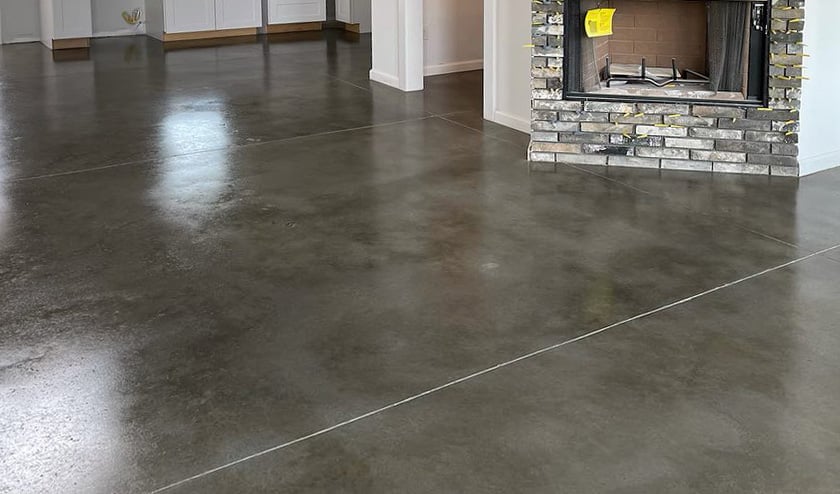
Stained concrete works as a functional floor covering alternative that incorporates toughness with visual allure. This flooring strategy entails applying a specially developed stain to the concrete surface, which penetrates and modifies the shade of the product. The process not just improves the aesthetic elements of concrete yet likewise uses the advantage of safeguarding it from damage. Stained concrete can attain a vast range of looks, from earthy tones to dynamic shades, making it suitable for various design themes.
Appropriate prep work of the concrete surface area is important for excellent results. This might consist of cleaning, grinding, or etching to assure the stain adheres successfully. Furthermore, the application process typically involves making use of tools such as sprayers or brushes to attain uniform coverage. After staining, a sealer is typically put on boost durability and maintain the vibrancy of the color. Inevitably, stained concrete offers an appealing and resilient floor covering solution for residential and industrial areas alike.
Kinds of Stains: Acid vs. Water-Based

On the other hand, water-based spots offer a broader series of shades and are easier to use. They do not react chemically with concrete but rather give a surface color - stained concrete austin. Water-based stains are low in unstable natural compounds (VOCs), making them much more eco-friendly and suitable for interior jobs. While they may not supply the exact same deepness of color as acid spots, their flexibility and convenience of use make them appealing for different applications. Inevitably, the selection depends upon the job's needs, wanted looks, and area
Methods for Staining Concrete
The strategies for tarnishing concrete differ substantially in between acid and water-based methods. Acid staining entails a chain reaction that develops special, variegated shades, while water-based discolorations use a broader palette and easier application. Comprehending these processes is crucial for attaining the wanted aesthetic in concrete flooring.
Acid Staining Process
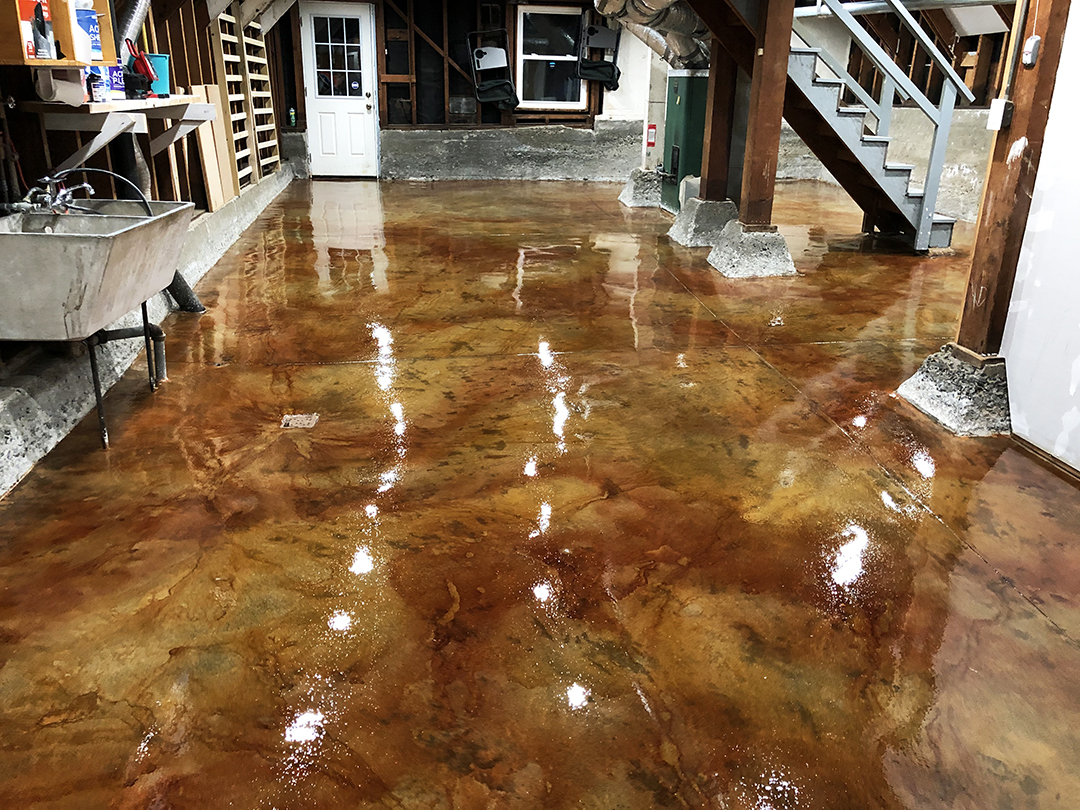
Acid staining uses a dynamic method to enhance the visual allure of concrete surfaces. This process entails applying a combination of water, hydrochloric acid, and pigments to the concrete, which reacts chemically to create vivid, translucent colors. The concrete surface must be extensively cleaned up and prepped to assure ideal attachment. As soon as used, the acid stain passes through the concrete, creating one-of-a-kind marbled results as it reacts with the lime in the concrete. After the wanted color establishes, the surface is reduced the effects of and washed to stop the response. A sealer is applied to secure the surface and boost resilience. Acid staining not just transforms the appearance of concrete however additionally gives a resilient option for decorative floor covering.
Water-Based Staining Benefits
Just how can water-based staining boost the visual and useful qualities of concrete surface areas? Water-based stains offer a versatile solution for improving concrete, supplying lively color options while assuring ecological safety and security. Unlike acid discolorations, water-based alternatives permeate the surface area, permitting also color circulation and a range of coatings, from matte to shiny. In addition, they are reduced in unpredictable organic compounds (VOCs), making them much less unsafe to interior air high quality. Their quick drying time helps with much faster project completion, while their resistance to fading guarantees lasting charm. Water-based discolorations can also enhance the concrete's longevity and resistance to stains, making them a perfect choice for both domestic and industrial applications. Ultimately, they supply a sustainable, attractive service for different concrete surfaces.
Style Possibilities With Stained Concrete
Stained concrete offers a variety of style opportunities that can boost any type of area. Techniques such as color variant, various surface area ending up choices, and customized design patterns enable distinct and customized floor covering remedies. These aspects not just elevate looks however additionally add to the overall performance of the concrete surface area.
Color Variation Methods
While discovering the style opportunities of stained concrete, color variation techniques play an essential function in boosting both visual charm and capability. These techniques enable the development of unique patterns and effects that can change a basic concrete surface right into an aesthetically striking aspect of a room. Alternatives such as acid staining, which reacts chemically with the concrete, produce rich, translucent tones that simulate natural rock. Water-based stains provide a broader color palette and permit more control in style. Furthermore, layering various discolorations can produce depth and dimension, offering a tailored appearance. By integrating shade variant strategies, developers can achieve varied styles, from rustic to modern, guaranteeing that tarnished concrete fits perfectly into any style plan.
Surface Finishing Options
The exploration of color variation methods establishes the phase for thinking about surface ending up choices, which substantially influence the total look and performance of stained concrete. Various coatings can boost the aesthetic charm and resilience of the surface. Common options consist of matte, satin, and glossy finishes, each giving an unique aesthetic result. Matte finishes supply a refined, understated sophistication, while satin coatings strike an equilibrium between luster and practicality, making them preferred for residential and business spaces. Shiny finishes, on the various other hand, develop a high-shine appearance, enhancing color vibrancy and light representation. In addition, surface treatments such as polishing or sealing additionally improve durability, making these ending up alternatives necessary considerations in designing practical and aesthetically appealing discolored concrete floorings.
Custom-made Design Patterns
Just how can custom-made style patterns elevate the charm of stained concrete? By including special designs, stained concrete can change normal flooring right into a striking visual declaration. Custom patterns, such as geometric forms, intricate motifs, or natural layouts, permit personalization, making areas really feel tailored and inviting. Customers can choose from a selection of techniques, consisting of saw cuts, stencils, or overlays, to attain wanted results. In addition, best site combining numerous colors with different stain methods improves the deepness and dimension of the patterns. These design opportunities not only improve aesthetic appeal yet also raise the value of residential or industrial areas. Eventually, personalized style patterns offer a chance for creative thinking, establishing stained concrete aside from conventional flooring alternatives.
Preparing Your Concrete Surface
Correct preparation of the concrete surface is necessary for accomplishing an effective discolored finish. This process begins with comprehensive cleaning to remove dust, oil, and any type of various other contaminants. A pressure washing machine or a floor scrubber can properly remove these materials, making sure a fresh start for staining. After cleaning, it is essential to fix any splits or imperfections in the concrete. This can be accomplished making use of a concrete patching substance, which ought to be enabled to navigate to this website treat totally before continuing.
When the surface area is tidy and repaired, grinding or sanding may be essential to create a smooth, even structure. This action improves the concrete's ability to soak up the stain uniformly. Finally, a concrete etcher can be put on open up the pores of the surface, permitting much better adhesion of the stain (stained concrete austin). By following these prep work steps, the resulting stained concrete will certainly display a more dynamic and lasting surface
Upkeep and Take Care Of Stained Concrete
Maintaining discolored concrete is crucial for maintaining its appearance and durability after the preliminary prep work and application of stain. Normal cleaning is necessary; sweeping or vacuuming to eliminate dust and debris prevents scratches and monotony. For much deeper cleansing, a light pH-neutral cleaning agent combined with water can be used, adhered to by thorough rinsing to prevent deposit build-up.
Securing tarnished concrete is another crucial maintenance step, as it shields the surface area from discolorations and wetness. Relying on the sealer type, reapplication may be required every one to 3 years. In addition, preventing extreme chemicals and rough devices assists keep the integrity of the stain.
For outdoor tarnished concrete, it is advisable to clear snow or ice immediately to avoid damages from freeze-thaw cycles. In general, consistent care assurances that tarnished concrete retains its dynamic shade and structural stability over time, making it a long-lasting flooring choice.
Cost Considerations for Stained Concrete Floor Covering
When evaluating the cost of tarnished concrete floor covering, potential home owners often ask yourself about the different elements that influence rates. Key considerations consist of the dimension of the location to be covered, the intricacy of the layout, and the type of stain used. Basic staining techniques often tend to be extra cost effective, while elaborate patterns or numerous shades can substantially boost costs.
Geographic location is one more factor, as rates can vary extensively from one area to an additional. Ongoing upkeep costs should be factored in, as sealants and protective finishes may be needed over time to protect the visual and resilience of the stained concrete.
Regularly Asked Concerns
Can Stained Concrete Be Applied Over Existing Flooring?
The inquiry of whether tarnished concrete can be applied over existing floor covering is frequently asked. Generally, it is feasible, supplied the underlying surface is clean, secure, and ideal for appropriate bond of the tarnished concrete.
How much time Does the Staining Process Take?
The staining process usually takes a couple of hours to a complete day, depending on the dimension of the area and the intricacy of the design. Healing may need additional time prior to the surface is totally useful.
Is Stained Concrete Suitable for Outdoor Usage?
Stained concrete is without a doubt suitable for outside usage, as it endures numerous climate condition. Its longevity and visual allure make it a popular choice for patio areas, walkways, and driveways, enhancing both capability and visual passion.
Can I Change the Color of Stained Concrete Later On?
The ability to change the color of tarnished concrete later on depends Get More Info on various elements, including the original stain kind and surface area preparation. Consulting a specialist can supply guidance on prospective choices and outcomes for color alteration.
Are There Eco-Friendly Options for Stained Concrete?
The questions regarding eco-friendly choices for tarnished concrete reveals an expanding rate of interest in lasting building practices. Lots of firms now supply low-VOC spots and environmentally friendly sealants, making certain visual allure while reducing ecological effect.